Rodents such as mice and rats car certainly be a frequent annoyance within dwellings and gardens, leading to damage as well as spreading sicknesses. While there are plenty of chemical rodent repellents out there, some people prefer a more natural manner of rat and mouse elimination. Plants having strong smells or qualities that rodents find unpleasant can be useful in keeping them away. Here are a few very beneficial plants which will humanely repel rodents:
Plants Rodents Hate
1. Peppermint: Peppermint is a widely recognized rat and mouse repellent because of its powerful fragrance that mice and rats find unpleasant. Growing and maintaining peppermint around your house or backyard garden can help deter rodents from entering. You can also use peppermint essential oil by simply soaking cotton balls in it and placing them around areas where rats and mice are likely to be present.
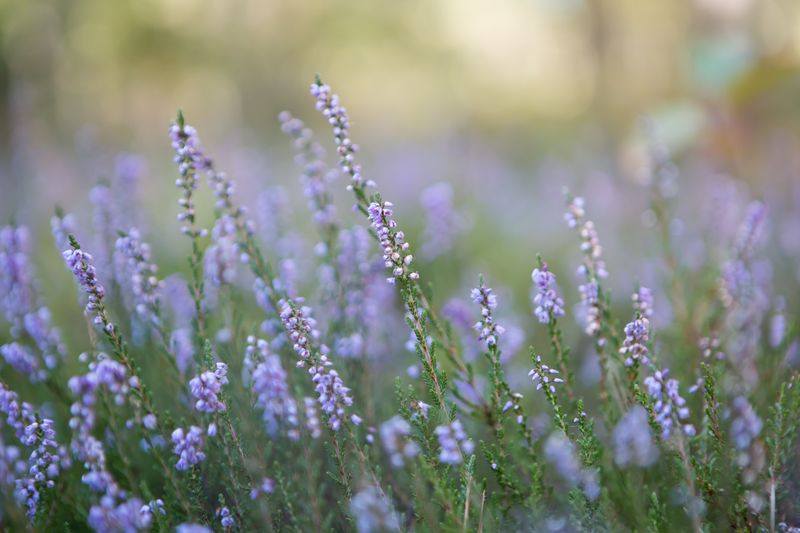
2. Lavender: Lavender has an enjoyable scent for people yet mice and rats still find it repugnant. Growing lavender all around your home should help get rid of mice and rats. You can also create a lavender sachet by filling up a small pouch with dried lavender blooms and putting it in areas where rodents are likely to be found.
3. Marigolds: Marigolds have a organic chemical called pyrethrin, which is commonly used in insect repellents. This chemical in addition repels rats and mice, making marigolds a powerful plant for rodent control. Growing and maintaining marigolds as part of your backyard garden can help keep rats and mice away from you.
4. Daffodils: Daffodils contain a chemical substance identified as lycorine, that is toxic to micd and rats. Planting daffodils all around your yard can help you prevent rodents from coming near. Yet, it is very important understand that daffodils are toxic to other animals additionally, for that reason caution needs to be exercised when using them as a rat and mouse repellent.
5. Catnip: Catnip is a plant from the mint family which has a strong aroma which repels mice and rats. While it may well appeal to kittens and cats, catnip will work in keeping mice and rats away. Growing catnip in your vegetable garden can help you prevent rodent infestations.
To successfully use these plants for the purpose of rat and mouse management, consider the following recommendations:
– Grow the repellent plants strategically around your property, specially in places that rats and mice will probably walk into or nest.
– Regularly collect the leaves and flowers of the plants to discharge their robust fragrances and properties.
– Use essential oils or dehydrated plant materials for making sachets or perhaps pouches that can be placed in drawers, closets, or other areas where rodents usually tend to hide.
– Swap different repellent plants all through the year to prevent mice and rats from becoming accustomed to the smells.
Scientific analysis supports the usefulness of these organic and natural mouse and rat repellents. By way of example, a report released in the journal Pest Management Science which found that peppermint oil was in fact successful in repelling mice in laboratory settings. Another research project documented in the Journal of Economic Entomology demonstrated the repellent benefits of lavender oil on rats and mice.
Assistance in Gregory
For those who have a rodent challenge that is too challenging to wait patiently for plant life to grow, you may want to consider professional rodent management service. Give us a call to determine what we can get done for you. Take my word for it , you’ll certainly be much more comfortable without having all of the rats and mice.
In summary, using plants as organic and natural mouse and rat repellents in Gregory is a safe and sound and environmentally-friendly way to deal with rodent populations. By introducing the above mentioned plants as part of your pest control strategy, you’re able to effectively discourage mice and rats from coming near your dwelling and backyard garden while offering a wholesome and ecological habitat.
