Rodents such as mice and rats often are a frequent annoyance within homes and home gardens, leading to damage in addition to spreading illnesses. While there are many chemical rodent repellents that you can buy, many people like a more organic method for pest suppression. Vegetation having strong aromas or qualities that rodents see as distressing are usually useful in repelling them. Here are several of the most beneficial plants that will naturally repel rodents:
Best Outdoor Plants to Keep Rodents Away
1. Peppermint: Peppermint is a really well-known mouse and rat repellent because of its powerful scent that mice and rats consider offensive. Growing and maintaining peppermint around your property or garden plants should help dissuade mice and rats from coming near. It’s also possible to use peppermint essential oil simply by soaking cotton balls in it and putting them within locations where rats and mice are likely to be found.
2. Lavender: Lavender has a pleasingan scent for people yet animals find it repugnant. Planting lavender all around your property should help repel rats and mice. You may also create a lavender sachet simply by stuffing a small sack with dried lavender blooms and then placing it in locations where mice and rats are a problem.
3. Marigolds: Marigolds contain a biological chemical known as pyrethrin, that is frequently used in insect repellents. This substance in addition repels rodents, making marigolds a successful plant for rodent control. Planting marigolds in your own garden may also help keep rats and mice away from you.
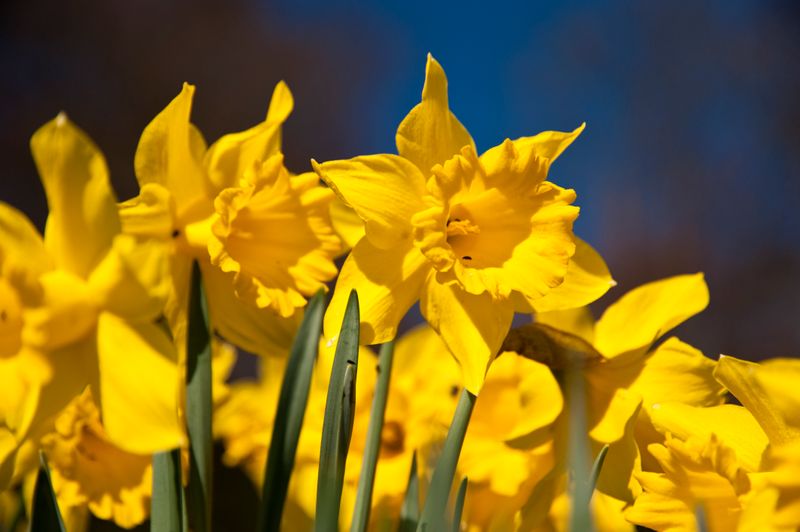
4. Daffodils: Daffodils contain a substance identified as lycorine, that is toxic to rodents. Planting daffodils all around your property can help prevent rats and mice from approaching. In spite of this, it is important to take note that daffodils are toxic to many other animals too, consequently caution must be used when making use of them as a rat and mouse repellent.
5. Catnip: Catnip is a plant in the mint family that has a powerful scent which will repels rodents. While it may well attract kittens and cats, catnip will work in keeping mice and rats away. Growing and maintaining catnip within your garden can help you avoid mouse and rat infestations.
To successfully benefit from these plants for mouse and rat control, consider the following recommendations:
– Grow the repellent plants strategically around your property, specially in areas where rats and mice will likely enter or nest.
– Frequently collect the foliage and blooms of the plants to release their strong smells and properties.
– Use essential oils as well as dried plant materials to create sachets or perhaps pouches that can be put into drawers, closets, or other areas in which rodents are likely to hide.
– Switch several repellent plants in the course of the entire year to prevent rodents from starting to become used to the scents.
Scientific research backs up the usefulness of such all natural rodent repellents. One example is, a report published in the journal Pest Management Science that found that peppermint oil was in fact valuable in repelling mice in research laboratory environments. A second study documented in the Journal of Economic Entomology showed the repelling properties of lavender oil on rats and mice.
Support in Noah
If you have a rodent issue which is too intense to wait patiently for plants to develop, you might need professional rodent control service. Give us a call to determine everything we are able to do for you. Take my word for it , you’ll certainly be very much more comfortable without having all of the rodents.
In conclusion, utilizing plants as organic and natural rat and mouse repellents in Noah can be a dependable and environmentally-friendly approach to deal with rat and mouse populations. By making use of the above mentioned plants within your pest management strategy, you can safely and effectively discourage mice and rats from approaching your dwelling and backyard garden at the same time offering a healthy and self-sufficient surroundings.
