Rodents such as rats and mice can be a frequent annoyance in residences and gardens, producing destruction and spreading illnesses. While there are plenty of chemical mouse and rat repellents available on the market, many people prefer a more organic and natural method for mouse and rat management. Vegetation having strong smells or properties which rodents see as unpleasant are usually effective in keeping them away. Here are several of the powerful plants which will naturally repel rodents:
Plants Rodents Hape
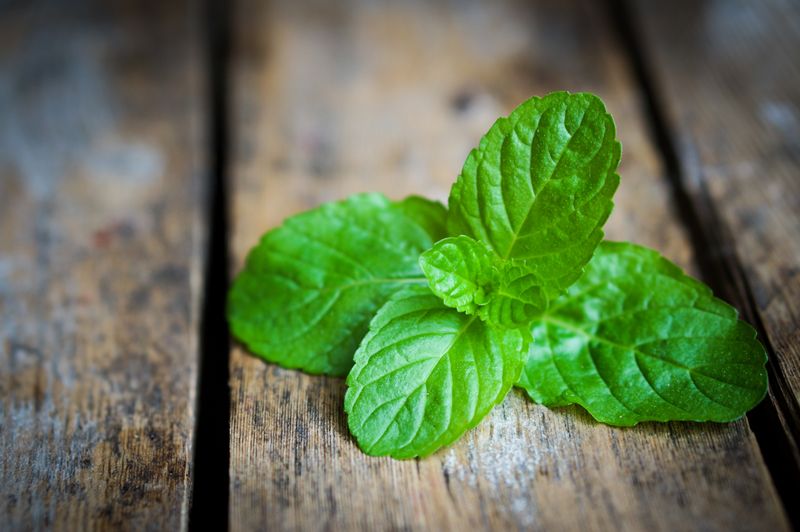
1. Peppermint: Peppermint is a really well-known rodent repellent due to the potent scent that rats and mice find offensive. Growing peppermint around your house or garden can help prevent animals from coming near. You can also use peppermint essential oil simply by soaking cotton balls in it and then putting them around locations where rodents are likely to be found.
2. Lavender: Lavender provides a pleasingan aroma for people and yet mice and rats think it is repugnant. Planting lavender all around your property will help get rid of rats and mice. You may also create a lavender sachet simply by filling up a small sack with dried lavender blossoms and putting it in locations where mice and rats are a problem.
3. Marigolds: Marigolds have a all natural compound labeled as pyrethrin, which is frequently used in insect repellents. This chemical substance also repels rodents, making marigolds a successful plant for rodent control. Planting marigolds as part of your garden can help keep mice and rats away from you.
4. Daffodils: Daffodils contain a chemical substance identified as lycorine, which is hazardous to micd and rats. Planting daffodils all around your yard can help you deter mice and rats from coming near. Yet, it is very important be aware that daffodils are harmful to many other animals too, for that reason extreme caution ought to be exercised when utilizing them as a rat and mouse repellent.
5. Catnip: Catnip is actually a plant from the mint family that has a powerful smell which will repels rodents. Although it may well appeal to cats and kittens, catnip is useful in keeping rats and mice away. Planting catnip in your garden can help you prevent rat and mouse infestations.
To help you efficiently make use of these kinds of plants when it comes to rat and mouse control, look at the following tips:
– Plant the repellent plants tactically around your yard, especially in places that mice and rats will probably walk into or nest.
– Routinely harvest the leaves and blooms of the plants to liberate their robust fragrances and properties.
– Make use of essential oils or dried plant materials to make sachets or pouches which can be slipped into drawers, closets, or other locations in which mice and rats will probably hide.
– Swap various repellent plants throughout the entire year in order to avoid rats and mice from starting to become used to the aromas.
Scientific analysis backs up the usefulness of these natural mouse and rat repellents. By way of example, a report presented in Pest Management Science which verified that peppermint oil was valuable in repelling mice in research laboratory environments. A second research project documented in the Journal of Economic Entomology revealed the repellent properties of lavender oil on mice and rats.
Support in Walling
For people with a rat or mouse problem that is too extreme to wait patiently for plants to grow, you might need specialized rodent control services. Give us a call to discover everything we can get done for you. Believe mne, you’ll be much more content without all those mice and rats.
In conclusion, making use of plants as organic and natural mouse and rat repellents in Walling can be a dependable and environmentally-friendly way to control rat and mouse populations. By introducing these plants within your pest management approach, you can safely and effectively discourage rats and mice from approaching your house and back garden at the same time promoting a healthy and ecological surroundings.
