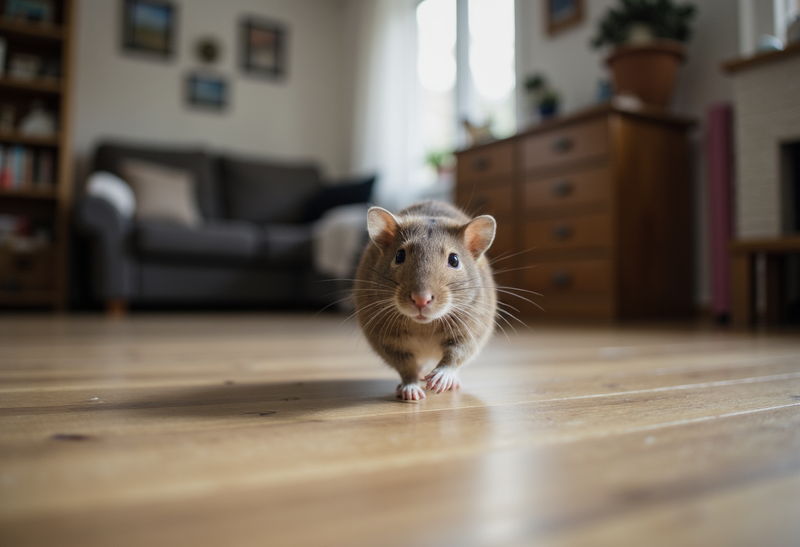
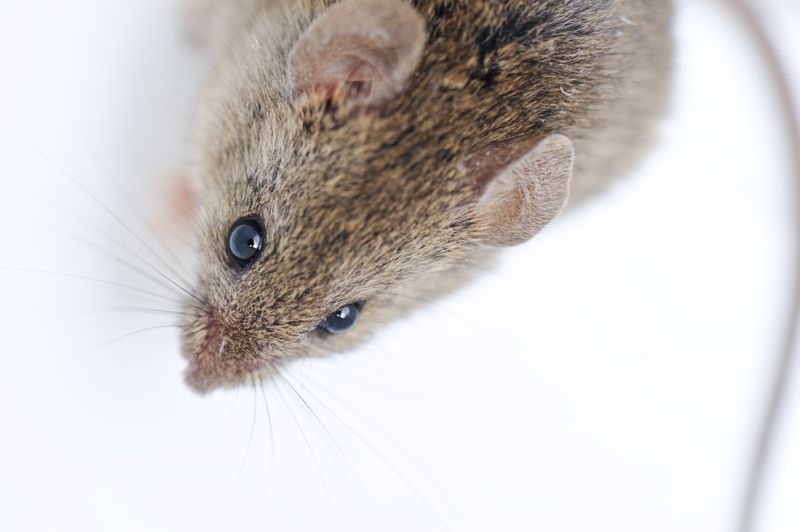
Rodents may appear harmless initially, but these types of smaller animals can pose major health and safety problems once they occupy residential homes. Recent studies and available data have shown the detrimental effect which mouse and rat infestations can have on human health, making it essential for householders to take positive steps to stop and handle such problems quickly.
Health Risks of Mice and Rats in Olalla Valley
One of the most substantial health hazards presented by mice and rats will be the spread of illnesses. Based on the Centers for Disease Control and Prevention (CDC), rats and mice can transmit a variety of health problems to human beings by way of their urine, fecal matter, and saliva. Probably the most widespread health problems related to rats and mice encompass Salmonellosis, Hantavirus, Lymphocytic Chorio-meningitis (LCMV), plus Leptospirosis.
Along with illnesses, rodents could also induce asthma and allergies attacks in vulnerable men and women. Their dander in addition to droppings include substances like allergens which can exacerbate respiratory system problems plus produce allergic reactions in certain people. On top of that, mice and rats can bring parasites like fleas and ticks inside homes, maximizing the risk of infestations and extra medical conditions.
Harm as a Result of Rats and Mice
Above and beyond health hazards, rodents also can result in considerable damage to homes and property. They will chew through wall surfaces, insulation, as well as electrical wiring, bringing about high-priced maintenance tasks and possible fire risks. Rats and Mice also are known to ruin food and drinking water sources, putting home owners vulnerable to food poisoning and also other disorders.
Preventative Precautions You May Implement in Olalla Valley
To prevent rat infestations and also provide protection to your property and family members by possible safety and health hazards, it is essential to take aggressive precautions. Below are a few realistic tips and strategies for dealing with mouse and rat problems effectively:
1. Seal Entry Points: Close up any kind of spaces or splits in walls, floor surfaces, and roofing that may function as entry points for rodents. Use metal mesh or caulking to seal these openings and stop mice from getting into your dwelling.
2. Keep Food Sources Secure: Put away foodstuff in airtight food storage containers and tidy up spills in addition to crumbs punctually to eliminate food sources for rodents. Ensure that you eliminate waste materials carefully and maintain a clean and clutter-free house environment.
3. Set Repellents And Traps: Use snap traps, electronic traps, or glue boards to catch and eradicate rodents in your own home. Furthermore, consider utilizing organic repellents such as peppermint oil or mothballs to prevent rodents from getting into your living space.
Real-Life Cases Near Olalla Valley, Washington
In order to highlight the need for rodent management, here are several real life experiences and instances of the damage and health problems rodents could cause:
– A family in a upscale community discovered a rodent infestation in their attic room, leading to significant harm to insulation and electrical cabling. The homeowners had to expend thousands on repairs plus rodent elimination solutions to deal with the problem.
– A young child developed a severe case of Hantavirus right after contacting rodent excrement in their playroom. The youngster was required to spend a few weeks in the hospital coping with the sickness, showing the possible health threats connected with rodent infestations.
In summary, rodents present critical health and safety threats after they invade domestic households. Through active measures to prevent rodent invasions and address rodent challenges punctually, home owners will be able to shield their loved ones and home from potential injury. Educating yourself in regards to the threats of rodents and carrying out effective rodent management tactics can help create a safe and healthful dwelling atmosphere for you personally and all your family members.