Tag: plants that mice avoiod

  • Plants That Keep Rodents Away in Vaucluse 29801

    Rodents like mice and rats car certainly be a very common annoyance in residences and gardens, resulting in destruction not to mention spreading illnesses. While there are many chemical type mouse and rat repellents that can be found, some people prefer a more organic and natural approach to pest control. Plant life having strong scents or qualities which rats and mice see as annoying can be reliable in keeping them away. Here are some of the most beneficial plants that will humanely get rid of animals:

    Plants That Keep Rodents Away

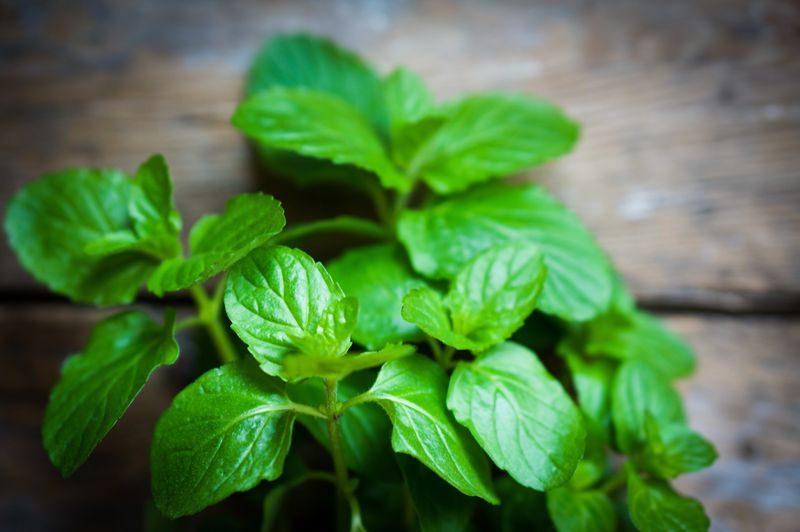
    1. Peppermint: Peppermint is a really highly respected mouse and rat repellent due to its strong smell that rats and mice find unpleasant. Growing and maintaining peppermint around your house or garden plants should help deter rodents from coming near. You can also make use of peppermint essential oil simply by soaking cotton balls in it and then placing them within places that rodents are usually present.

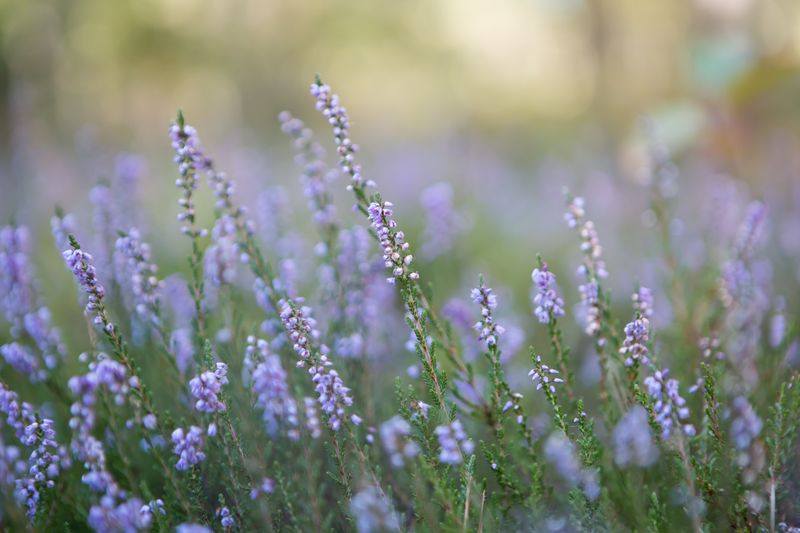
    2. Lavender: Lavender provides a satisfying aroma for human beings but rodents find it repugnant. Planting lavender around your home can help get rid of mice and rats. You can also make a lavender sachet by filling up a small pouch with dried lavender blossoms and putting it in areas where rodents are likely to be found.

    3. Marigolds: Marigolds have a natural compound labeled as pyrethrin, which is commonly used in bug repellents. This particular substance also repels rodents, making marigolds a successful plant for rodent control. Planting marigolds as part of your backyard garden may also help keep mice and rats away.

    4. Daffodils: Daffodils contain a chemical identified as lycorine, and is toxic to rats and mice. Growing and maintaining daffodils all around your property can help prevent rodents from approaching. However, it is important to understand that daffodils are harmful to several other animals additionally, for that reason extreme caution needs to be exercised when using them as a mouse and rat repellent.

    5. Catnip: Catnip is actually a plant belonging to the mint family that has a strong aroma which repels rodents. Even though it may draw in cats and kittens, catnip is useful in keeping mice and rats away. Growing and maintaining catnip as part of your back yard garden can help you prevent rodent infestations.

    In order to efficiently use these kinds of plants for the purpose of mouse and rat control, look at the following tips and hints:

    – Grow the repellent vegetation tactically around your yard, specially in places that mice and rats can easily head into or nest.

    – Frequently collect the leaves and flowers from the plants to liberate their robust smells and properties.

    – Make use of essential oils as well as dried plant materials to create sachets or pouches that can be put into drawers, closets, or other areas in which rodents are likely to hide.

    – Rotate several repellent plants in the course of the entire year to prevent rats and mice from starting to become accustomed to the aromas.

    Scientific analysis supports the usefulness of these organic and natural rodent repellents. For example, a report presented in Pest Management Science that verified that peppermint oil was in fact helpful in repelling mice in laboratory environments. A second study reported in the Journal of Economic Entomology showed clearly the repelling effects of lavender oil on mice and rats.

    Help in Vaucluse

    If you have a mouse or rat problem that is way too intense to wait for vegetation to grow, you may want to consider expert rodent management support. Give us a call to find out everything we can do for you. Believe mne, you’ll be very much more comfortable without having all of the rodents.

    To summarize, utilizing plants as organic and natural mouse and rat repellents in Vaucluse is a risk-free and environmentally-friendly method to manage rodent populations. By including some of these plants within your pest management strategy, you can safely and effectively discourage mice and rats from approaching your home and garden at the same time promoting a healthy and sustainable setting.
  • Plants Rodents Hate in Dixie 65063

    Rodents like rats and mice car certainly be a common nuisance within dwellings and gardens, resulting in destruction in addition to spreading diseases. While there are numerous chemical type rodent repellents available on the market, some people like a more natural approach to pest suppression. Vegetation with strong odors or qualities that mice and rate find unpleasant are usually useful in keeping them away. Here are some of the powerful plants that naturally get rid of mice and rats:

    Plants Rodents Hate

    1. Peppermint: Peppermint is actually a highly respected rat and mouse repellent due to its potent scent that rats and mice find offensive. Growing and maintaining peppermint around your home or garden plants should help deter animals from entering. You can also use peppermint essential oil by soaking cotton balls in it and then putting them within areas where rats and mice are usually active.

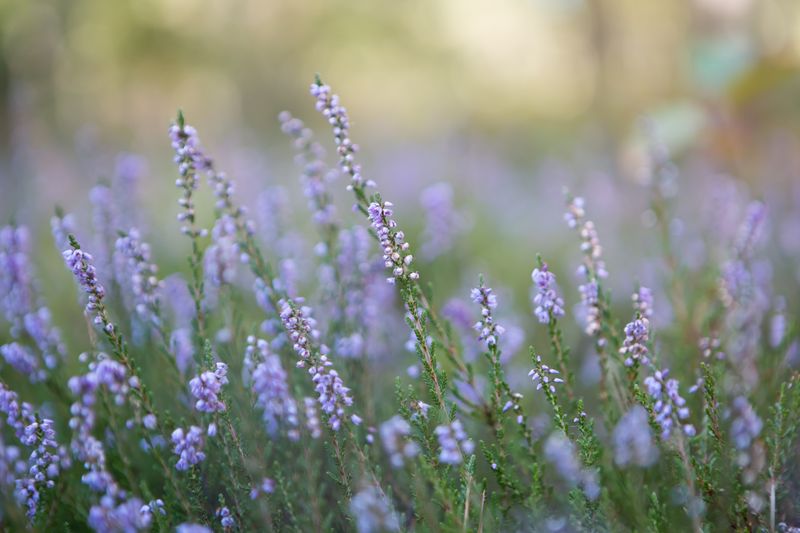
    2. Lavender: Lavender has agreeable scent for people yet rodents think it is displeasing. Growing lavender around your home can really help get rid of rats and mice. Additionally you can make a lavender sachet by simply filling a small sack with dried lavender flowers and placing it in locations where rodents are likely to be found.

    3. Marigolds: Marigolds have a natural chemical labeled as pyrethrin, that’s widely used in bug repellents. This compound also repels rodents, making marigolds an effective plant for rodent control. Planting marigolds within your backyard garden can really help keep rats and mice away from you.

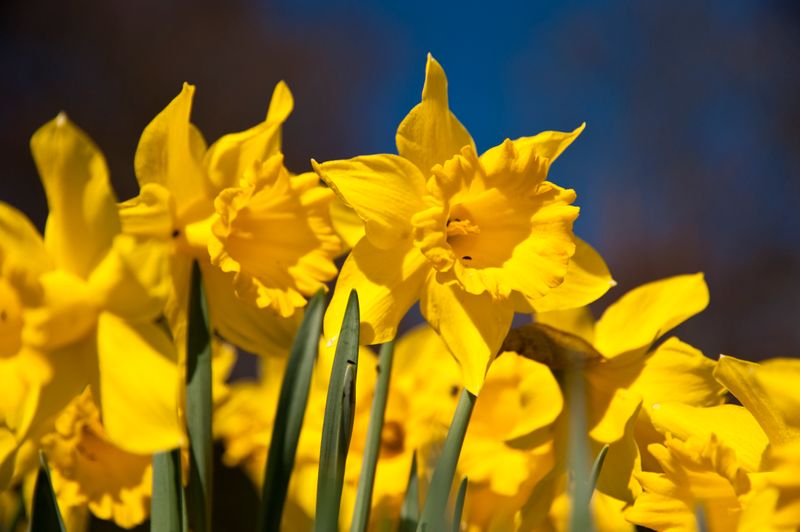
    4. Daffodils: Daffodils have a chemical substance known as lycorine, and is hazardous to rodents. Growing daffodils all around your property can help prevent mice and rats from coming near. However, you need to take note that daffodils are poisonous to other creatures too, therefore extreme caution must be exercised when making use of them as a rodent repellent.

    5. Catnip: Catnip is a plant from the mint family which has a powerful scent which will repels rats and mice. Even though it may well draw in kittens and cats, catnip is effective in keeping rats and mice away. Planting catnip within your vegetable garden will help prevent rodent infestations.

    To effectively use these kinds of plants for the purpose of rodent control, think about the following tips and hints:

    – Plant the repellent plants strategically around your property, specially in locations where rats and mice can easily walk into or nest.

    – On the regular basis collect the foliage and blooms from the plants to release their powerful aromas and properties.

    – Employ essential oils or even dehydrated plant materials to make sachets or pouches that are slipped into drawers, closets, or other locations where rodents are inclined to hide out.

    – Swap several repellent plants throughout the year to prevent rodents from getting accustomed to the aromas.

    Scientific analysis supports the usefulness of these natural rat and mouse repellents. For example, a study published in the journal Pest Management Science which verified that peppermint oil was helpful in repelling mice in laboratory configurations. A second research project described in the Journal of Economic Entomology revealed the repelling effects of lavender oil on rodents.

    Help in Dixie

    If you have a mouse or rat condition which is too challenging to wait for vegetation to develop, you may want to consider specialized rodent control services. Call us to determine everything we can do for you. Take my word for it , you’ll be significantly happier without all of the rats and mice.

    To summarize, working with plants as natural and organic rodent repellents in Dixie is often a dependable and environmentally-friendly method to deal with rodent populations. By including the above mentioned plants within your pest control strategy, you can effectively deter mice and rats from approaching your dwelling and back garden at the same time promoting a wholesome and sustainable habitat.

  • Plants Rodents Hape in Delcambre 70528

    Rodents such as rats and mice often are a frequent annoyance inside residences and gardens, causing destruction and spreading diseases. While there are numerous chemical mouse and rat repellents that can be found, some people like a more all natural manner of rodent suppression. Plants with strong aromas or properties which rats and mice see as unpleasant are usually useful in repelling them. Here are a few of the beneficial plants that will organically repel rats and mice:

    Plants Rodents Hape

    1. Peppermint: Peppermint is a well-known rat and mouse repellent due to its strong scent that rats and mice consider unpleasant. Planting peppermint around your home or garden plants should help dissuade rodents from entering. You can also make use of peppermint essential oil by soaking cotton balls in it and then putting them in places that rodents are usually present.

    2. Lavender: Lavender has a pleasant scent for human beings but rats and mice still find it unpleasant. Planting lavender all around your home will help keep out mice and rats. You may also create a lavender sachet simply by filling a small sack with dried lavender flowers and putting it in places that rodents are likely to be found.

    3. Marigolds: Marigolds contain a biological chemical substance known as pyrethrin, that is frequently used in insect repellents. This particular substance also repels rodents, making marigolds a highly effective plant for rodent control. Planting marigolds in your garden may also help keep rats and mice away.

    4. Daffodils: Daffodils have a chemical called lycorine, that is hazardous to rodents. Planting daffodils close to your property will help discourage mice and rats from approaching. Nevertheless, it is essential to take note that daffodils are harmful to many other creatures too, therefore extreme caution ought to be exercised when making use of them as a mouse and rat repellent.

    5. Catnip: Catnip is actually a plant within the mint family which has a powerful fragrance which repels rodents. Although it may well attract cats and kittens, catnip is useful to keep rats and mice away. Growing catnip in your vegetable garden can help you minimize rodent infestations.

    To efficiently use these kinds of plants for the purpose of rodent management, consider the following tips and hints:

    – Grow the repellent vegetation tactically around your yard, particularly in locations where mice and rats will probably head into or nest.

    – Regularly collect the foliage and flowers from the plants to release their strong fragrances and properties.

    – Make use of essential oils as well as dehydrated plant materials to make sachets or pouches that could be put into drawers, closets, or other places in which rats and mice usually tend to hide out.

    – Rotate different repellent plants throughout the year to prevent rodents from getting used to the scents.

    Scientific research backs up the usefulness of such natural and organic rodent repellents. One example is, a report released in the journal Pest Management Science that verified that peppermint oil was in fact effective in repelling mice in research laboratory environments. An additional research project revealed in the Journal of Economic Entomology revealed the repelling impact of lavender oil on rodents.

    Help in Delcambre

    If you have a rodent issue which is too challenging to wait patiently for plants to develop, you may need expert rodent management service. Give us a call to find out what we are able to do for you. Believe mne, you’ll certainly be much more content without all of the rodents.

    To conclude, utilizing plants as natural and organic rodent repellents in Delcambre is a safe and environmentally-friendly method to manage rodent populations. By incorporating some of these plants into your pest management approach, you’ll be able to effectively deter mice and rats from coming near your house and backyard garden at the same time offering a wholesome and ecological setting.

  • Plants Rodents Don’t Like in Glen Ellen 95442

    Plants Rodents Don’t Like in Glen Ellen 95442

    Rodents such as mice and rats car certainly be a very common annoyance in homes and gardens, resulting in destruction as well as spreading illnesses. While there are numerous chemical type mouse and rat repellents that you can buy, many people like a more organic manner of rat and mouse suppression. Vegetation having strong smells or properties which rats and mice find unpleasant are generally useful in keeping them away. Here are several of the most effective plants which will naturally get rid of mice and rats:

    Plants Rodents Don’t Like

    1. Peppermint: Peppermint is a really highly respected rat and mouse repellent due to its potent scent that mice and rats find bothersome. Growing peppermint around your home or backyard garden should help prevent rats and mice from entering. It’s also possible to employ peppermint essential oil by simply soaking cotton balls in it and placing them within locations where rodents are usually present.

    2. Lavender: Lavender provides a pleasing aroma for people but animals feel that it’s unpleasant. Planting lavender around your home can help keep out rats and mice. You can also create a lavender sachet by filling a small pouch with dried lavender blossoms and keeping it in locations where rodents are an issue.

    3. Marigolds: Marigolds have a organic compound called pyrethrin, that is frequently used in insect repellents. This chemical substance in addition repels mice and rats, making marigolds a highly effective plant for rodent management. Growing marigolds in your own garden will help keep mice and rats away from you.

    4. Daffodils: Daffodils contain a compound called lycorine, and is poisonous to micd and rats. Growing daffodils close to your yard helps deter rodents from approaching. In spite of this, it is essential to note that daffodils are harmful to several other animals too, for that reason extreme care must be used when using them as a mouse and rat repellent.

    5. Catnip: Catnip is a plant within the mint family which has a powerful smell that will repels mice and rats. Although it might attract cats and kittens, catnip is beneficial in keeping rats and mice away. Growing and maintaining catnip as part of your vegetable garden can help you prevent mouse and rat infestations.

    To help you efficiently benefit from these kinds of plants when it comes to rat and mouse control, think about the following tips and hints:

    – Plant the repellent vegetation strategically around your yard, especially in areas where rats and mice can easily head into or nest.

    – Regularly collect the foliage and flowers of the plants to discharge their robust fragrances and properties.

    – Use essential oils as well as dehydrated plant materials for making sachets or perhaps pouches which can be put into drawers, closets, or other locations in which mice and rats will probably hide.

    – Swap several repellent plants throughout the year to avoid rats and mice from starting to become accustomed to the scents.

    Scientific analysis backs up the efficacy of such organic and natural mouse and rat repellents. For example, a study presented in Pest Management Science that verified that peppermint oil was in fact successful in repelling mice in laboratory settings. An additional study described in the Journal of Economic Entomology revealed the repelling impact of lavender oil on rodents.

    Help in Glen Ellen

    If you have a rat or mouse problem that is too intense to wait for plant life to develop, you may need specialized rodent control services. Give us a call to find out everything we are able to do for you. Take my word for it , you will be much happier without having those rats and mice.

    To conclude, working with plants as organic and natural rodent repellents in Glen Ellen is often a dependable and environmentally-friendly way to deal with mouse and rat populations. By making use of some of these plants as part of your pest management strategy, you’re able to safely and effectively deter mice and rats from approaching your home and back garden while you are offering a wholesome and sustainable surroundings.

  • Plants That Repel Rodents in Carrizozo 88301

    Plants That Repel Rodents in Carrizozo 88301

    Rodents such as rats and mice often are a common pest within dwellings and home gardens, creating destruction and spreading illnesses. While there are many chemical type rodent repellents out there, many individuals like a more all natural method for rodent elimination. Plant life with strong smells or properties which rats and mice find disagreeable can be reliable in repelling them. Here are several of the most useful plants which will organically get rid of rodents:

    Plants That Repel Rodents

    1. Peppermint: Peppermint is a widely recognized rat and mouse repellent due to its powerful scent that mice and rats consider unpleasant. Growing peppermint around your property or backyard garden can help deter rodents from entering. You can also make use of peppermint essential oil by simply soaking cotton balls in it and placing them in places that mice and rats are likely to be found.

    2. Lavender: Lavender provides a pleasing scent for humans but rats and mice feel that it’s unpleasant. Planting lavender all around your property will help repel rats and mice. Additionally you can make a lavender sachet by simply stuffing a small sack with dried lavender blooms and then placing it in locations where rats and mice are likely to be found.

    3. Marigolds: Marigolds have a all natural chemical labeled as pyrethrin, which is frequently used in bug repellents. This particular compound in addition repels rats and mice, making marigolds a successful plant for rodent regulation. Planting marigolds in your own backyard garden may also help keep rats and mice away from you.

    4. Daffodils: Daffodils contain a substance known as lycorine, and is poisonous to micd and rats. Growing daffodils close to your yard can help deter rodents from coming near. Yet, it is very important note that daffodils are toxic to many other creatures too, for that reason caution ought to be used when making use of them as a rodent repellent.

    5. Catnip: Catnip is actually a plant within the mint family that features a strong scent that will repels rats and mice. Even though it can draw in cats and kittens, catnip is effective in keeping rats and mice away. Growing catnip as part of your garden can help you protect against mouse and rat infestations.

    In order to successfully benefit from these kinds of plants for the purpose of mouse and rat management, look at the following tips:

    – Grow the repellent vegetation strategically around your yard, specially in places that rats and mice will likely head into or nest.

    – On the regular basis harvest the leaves and blossoms of the plants to liberate their powerful fragrances and properties.

    – Use essential oils or dried plant materials to make sachets or perhaps pouches which can be slipped into drawers, closets, or other areas in which mice and rats are likely to hide out.

    – Switch various repellent plants all through the year in order to avoid mice and rats from getting accustomed to the smells.

    Scientific analysis supports the effectiveness of such natural rat and mouse repellents. One example is, a study released in Pest Management Science which found that peppermint oil was successful in repelling mice in research laboratory configurations. One more research project described in the Journal of Economic Entomology showed clearly the repelling benefits of lavender oil on rats and mice.

    Support in Carrizozo

    For those who have a rat or mouse issue that is way too extreme to wait for vegetation to grow, you may want to consider specialized rodent management support. Call us to discover what we are able to do for you. Believe mne, you will be much more content without those rodents.

    To summarize, utilizing plants as natural and organic mouse and rat repellents in Carrizozo can be a safe and environmentally-friendly approach to deal with rodent populations. By making use of the above mentioned plants into your pest control methodology, you’re able to effectively deter rats and mice from coming near your home and garden while you are offering a wholesome and self-sufficient setting.

  • Plants That Repel Rodents in Hannibal 13074

    Plants That Repel Rodents in Hannibal 13074

    Rodents like rats and mice can be a common nuisance within homes and gardens, resulting in destruction as well as spreading illnesses. While there are plenty of chemical type mouse and rat repellents that can be found, many individuals like a more all natural means of rat and mouse elimination. Plant life having strong odors or properties which mice and rate find annoying are usually reliable in keeping them away. Here are several of the most reliable plants that humanely repel rats and mice:

    Plants That Repel Rodents

    1. Peppermint: Peppermint is actually a some known rat and mouse repellent due to the potent scent that mice and rats consider offensive. Growing and maintaining peppermint around your home or garden will help dissuade rodents from entering. It’s also possible to employ peppermint essential oil simply by soaking cotton balls in it and placing them within locations where mice and rats are likely to be found.

    2. Lavender: Lavender provides a pleasant aroma for humans and yet rodents still find it repugnant. Growing lavender around your property can help keep out rats and mice. You may also make a lavender sachet by filling a small sack with dried lavender blossoms and putting it in locations where mice and rats are a problem.

    3. Marigolds: Marigolds have a biological chemical substance known as pyrethrin, that’s commonly used in insect repellents. This chemical substance also repels mice and rats, making marigolds a successful plant for rodent regulation. Growing and maintaining marigolds in your own garden will help keep rats and mice away from you.

    4. Daffodils: Daffodils contain a chemical substance known as lycorine, that is hazardous to micd and rats. Growing daffodils close to your yard helps deter rats and mice from coming near. Yet, you need to understand that daffodils are toxic to other animals too, consequently extreme caution must be exercised when making use of them as a mouse and rat repellent.

    5. Catnip: Catnip is actually a plant from the mint family which has a strong scent that repels rodents. Even though it can draw in kittens and cats, catnip is effective to keep mice and rats away. Growing and maintaining catnip as part of your back yard garden can help protect against rodent infestations.

    In order to effectively make use of these plants for mouse and rat control, consider the following tips and hints:

    – Plant the repellent vegetation strategically around your yard, particularly in areas where rodents are likely to walk into or nest.

    – Frequently harvest the foliage and blossoms of the plants to liberate their powerful aromas and properties.

    – Use essential oils or even dehydrated plant materials for making sachets or perhaps pouches that could be put into drawers, closets, or other locations where rodents will probably hide out.

    – Swap various repellent plants throughout the entire year to avoid mice and rats from starting to become used to the aromas.

    Scientific research supports the usefulness of these organic and natural rat and mouse repellents. By way of example, a report presented in the journal Pest Management Science that verified that peppermint oil was successful in repelling mice in research laboratory configurations. A second study described in the Journal of Economic Entomology demonstrated the repelling influence of lavender oil on rodents.

    Help in Hannibal

    If you have a mouse or rat problem that is too extreme to wait patiently for plant life to develop, you may want to consider expert rodent control services. Call us to discover everything we can get done for you. Take my word for it , you will be much more content without having those rodents.

    In conclusion, utilizing plants as natural rodent repellents in Hannibal can be a safe and environmentally-friendly approach to manage rodent populations. By incorporating the above mentioned plants into your pest management methodology, you can effectively discourage mice and rats from approaching your home and back garden while you are offering a healthy and sustainable habitat.

  • Plants Rats Avoid in Sweden 04040

    Plants Rats Avoid in Sweden 04040

    Rodents like rats and mice often are a well known pest inside residences and home gardens, producing damage as well as spreading illnesses. While there are many chemical type rodent repellents out there, many individuals prefer a more organic manner of mouse and rat control. Plant life with strong smells or properties that rats and mice find unpleasant are generally effective in repelling them. Here are several of the useful plants which will naturally repel rodents:

    Plants Rats Avoid

    1. Peppermint: Peppermint is actually a some known rodent repellent because of its powerful scent that rats and mice consider unpleasant. Planting peppermint around your home or backyard garden should help deter animals from coming near. You can even employ peppermint essential oil simply by soaking cotton balls in it and putting them within areas where rodents are likely to be active.

    2. Lavender: Lavender has a pleasingan scent for human beings and yet animals feel that it’s repugnant. Planting lavender around your property can help get rid of rats and mice. You can also create a lavender sachet by filling up a small sack with dried lavender blooms and keeping it in places that rodents are likely to be found.

    3. Marigolds: Marigolds have a natural compound labeled as pyrethrin, which is commonly used in bug repellents. This chemical substance also repels rats and mice, making marigolds an effective plant for rodent management. Planting marigolds within your backyard garden can help keep mice and rats away.

    4. Daffodils: Daffodils have a compound identified as lycorine, and is hazardous to rodents. Growing and maintaining daffodils around your yard will help prevent mice and rats from coming near. However, it is important to take note that daffodils are toxic to other creatures as well, consequently caution must be exercised when making use of them as a mouse and rat repellent.

    5. Catnip: Catnip is actually a plant within the mint family that features a strong scent that repels rats and mice. Although it could attract kittens and cats, catnip is useful to keep rats and mice away. Growing catnip as part of your backyard garden will help minimize rat and mouse infestations.

    To help you efficiently make use of these kinds of plants for the purpose of mouse and rat management, look at the following suggestions:

    – Grow the repellent plants strategically around your property, particularly in places that rats and mice are likely to head into or nest.

    – Regularly collect the foliage and blooms from the plants to release their powerful scents and properties.

    – Employ essential oils as well as dehydrated plant materials to create sachets or pouches which can be placed in drawers, closets, or other areas where rodents usually tend to hide.

    – Switch different repellent plants throughout the entire year to prevent rats and mice from getting accustomed to the smells.

    Scientific analysis backs up the efficacy of such natural rodent repellents. By way of example, a study released in Pest Management Science that verified that peppermint oil was in fact valuable in repelling mice in research laboratory configurations. Another research project revealed in the Journal of Economic Entomology showed the repellent impact of lavender oil on mice and rats.

    Help in Sweden

    For people with a rodent issue that is way too extreme to wait for plant life to grow, you may want to consider professional rodent management services. Give us a call to see what we can get done for you. Take my word for it , you’ll certainly be significantly more happy without having all of the rodents.

    In summary, utilizing plants as natural mouse and rat repellents in Sweden can be a risk-free and environmentally-friendly method to deal with mouse and rat populations. By making use of some of these plants as part of your pest control approach, it is possible to successfully deter rats and mice from coming near your home and backyard garden while offering a healthy and self-sufficient surroundings.

  • Plants Rodents Hape in Box Canyon 91304

    Rodents like rats and mice car certainly be a well known pest within dwellings and gardens, producing destruction and spreading diseases. While there are plenty of chemical type rodent repellents that you can buy, many individuals like a more natural manner of rodent elimination. Plants with strong smells or properties that mice and rate see as distressing can be effective in keeping them away. Here are several of the useful plants that will humanely get rid of mice and rats:

    Plants Rodents Hape

    1. Peppermint: Peppermint is a really highly respected mouse and rat repellent due to the potent scent that rats and mice find offensive. Growing peppermint around your home or garden can help to discourage rats and mice from coming near. You can also make use of peppermint essential oil by simply soaking cotton balls in it and placing them in areas where rodents are usually present.

    2. Lavender: Lavender has a satisfying aroma for human beings but animals feel that it’s unpleasant. Planting lavender around your property should help get rid of mice and rats. Additionally you can create a lavender sachet by simply filling a small sack with dried lavender flowers and then putting it in locations where rodents are an issue.

    3. Marigolds: Marigolds contain a organic chemical substance called pyrethrin, which is widely used in insect repellents. This particular chemical substance in addition repels mice and rats, making marigolds a highly effective plant for rodent control. Growing and maintaining marigolds in your backyard garden may also help keep rats and mice away.

    4. Daffodils: Daffodils have a chemical identified as lycorine, which is hazardous to micd and rats. Planting daffodils close to your yard can help you prevent rats and mice from approaching. However, you need to take note that daffodils are toxic to many other creatures too, for that reason caution ought to be exercised when utilizing them as a rodent repellent.

    5. Catnip: Catnip is a plant belonging to the mint family that features a powerful scent which repels rats and mice. Although it may draw in kittens and cats, catnip works well to keep mice and rats away. Growing catnip as part of your vegetable garden can help defend against mouse and rat infestations.

    In order to successfully benefit from these types of plants for the purpose of rodent management, consider the following suggestions:

    – Plant the repellent plants tactically around your property, especially in places that mice and rats are likely to walk into or nest.

    – On the regular basis collect the leaves and blooms of the plants to release their powerful smells and properties.

    – Make use of essential oils or even dried plant materials to create sachets or pouches that could be placed in drawers, closets, or other locations where mice and rats will probably hide.

    – Rotate different repellent plants in the course of the entire year to counteract mice and rats from growing to be accustomed to the scents.

    Scientific research supports the effectiveness of such all natural rodent repellents. For example, a report published in Pest Management Science which verified that peppermint oil was in fact helpful in repelling mice in laboratory environments. An additional investigation described in the Journal of Economic Entomology showed clearly the repellent impact of lavender oil on rodents.

    Support in Box Canyon

    If you have a rodent condition which is too intense to wait patiently for plant life to develop, you may need specialized rodent management support. Give us a call to determine what we can get done for you. Take my word for it , you’ll be significantly more content without having all of the rats and mice.

    To summarize, utilizing plants as holistic mouse and rat repellents in Box Canyon is a safe and environmentally-friendly method to control mouse and rat populations. By including some of these plants as part of your pest control approach, you’ll be able to effectively discourage mice and rats from approaching your house and back garden while promoting a healthy and self-sufficient setting.

  • Plants Rats Avoid in Knippa 78870

    Plants Rats Avoid in Knippa 78870

    Rodents such as rats and mice often are a very common nuisance in residences and gardens, resulting in damage as well as spreading illnesses. While there are plenty of chemical type rodent repellents that can be found, many people like a more organic means of mouse and rat elimination. Plant life having strong smells or qualities that mice and rate find unpleasant can be successful in repelling them. Here are a few very reliable plants which will humanely repel animals:

    Plants Rats Avoid

    1. Peppermint: Peppermint is a some known rodent repellent because of its potent fragrance that rats and mice find unpleasant. Planting peppermint around your home or garden plants can really help discourage mice and rats from entering. You may also make use of peppermint essential oil simply by soaking cotton balls in it and then placing them within areas where rodents are likely to be found.

    2. Lavender: Lavender provides a pleasant aroma for humans and yet mice and rats still find it unpleasant. Growing lavender all around your property should help keep out mice and rats. Additionally you can create a lavender sachet by simply stuffing a small pouch with dried lavender blossoms and placing it in areas where rodents are likely to be found.

    3. Marigolds: Marigolds have a all natural compound labeled as pyrethrin, that is frequently used in bug repellents. This particular substance in addition repels rats and mice, making marigolds a highly effective plant for rodent control. Growing and maintaining marigolds in your garden will help keep rats and mice away from you.

    4. Daffodils: Daffodils have a chemical substance called lycorine, that is toxic to rats and mice. Growing and maintaining daffodils all around your property will help discourage rodents from coming near. Nevertheless, it is very important understand that daffodils are toxic to many other animals additionally, so extreme caution ought to be used when making use of them as a rodent repellent.

    5. Catnip: Catnip is a plant within the mint family that has a powerful fragrance that will repels rats and mice. Even though it can attract kittens and cats, catnip works well to keep mice and rats away. Growing and maintaining catnip within your vegetable garden can help you protect against rat and mouse infestations.

    To successfully employ these kinds of plants when it comes to rat and mouse management, consider the following suggestions:

    – Plant the repellent plants tactically around your yard, especially in places that rats and mice will probably enter or nest.

    – Routinely collect the foliage and flowers of the plants to discharge their strong scents and properties.

    – Employ essential oils or even dehydrated plant materials for making sachets or perhaps pouches that can be put into drawers, closets, or other places where rodents will probably hide out.

    – Switch various repellent plants throughout the year to avoid rodents from getting accustomed to the scents.

    Scientific research supports the usefulness of these natural and organic rat and mouse repellents. One example is, a report released in Pest Management Science which verified that peppermint oil was effective in repelling mice in research laboratory configurations. A second research project revealed in the Journal of Economic Entomology showed clearly the repelling impact of lavender oil on rats and mice.

    Support in Knippa

    For people with a rodent challenge which is too intense to wait for vegetation to grow, you might need specialized rodent control service. Call us to determine what we can do for you. Take my word for it , you’re going to be significantly more content without having all of the rats and mice.

    To summarize, making use of plants as natural mouse and rat repellents in Knippa is often a safe and sound and environmentally-friendly approach to deal with rat and mouse populations. By including the above mentioned plants into your pest management strategy, it is possible to efficiently discourage rats and mice from coming near your dwelling and back garden while offering a wholesome and ecological habitat.

  • Plants Rodents Hate in Gregory 48137

    Plants Rodents Hate in Gregory 48137

    Rodents such as mice and rats car certainly be a frequent annoyance within dwellings and gardens, leading to damage as well as spreading sicknesses. While there are plenty of chemical rodent repellents out there, some people prefer a more natural manner of rat and mouse elimination. Plants having strong smells or qualities that rodents find unpleasant can be useful in keeping them away. Here are a few very beneficial plants which will humanely repel rodents:

    Plants Rodents Hate

    1. Peppermint: Peppermint is a widely recognized rat and mouse repellent because of its powerful fragrance that mice and rats find unpleasant. Growing and maintaining peppermint around your house or backyard garden can help deter rodents from entering. You can also use peppermint essential oil by simply soaking cotton balls in it and placing them around areas where rats and mice are likely to be present.

    2. Lavender: Lavender has an enjoyable scent for people yet mice and rats still find it repugnant. Growing lavender all around your home should help get rid of mice and rats. You can also create a lavender sachet by filling up a small pouch with dried lavender blooms and putting it in areas where rodents are likely to be found.

    3. Marigolds: Marigolds have a organic chemical called pyrethrin, which is commonly used in insect repellents. This chemical in addition repels rats and mice, making marigolds a powerful plant for rodent control. Growing and maintaining marigolds as part of your backyard garden can help keep rats and mice away from you.

    4. Daffodils: Daffodils contain a chemical substance identified as lycorine, that is toxic to micd and rats. Planting daffodils all around your yard can help you prevent rodents from coming near. Yet, it is very important understand that daffodils are toxic to other animals additionally, for that reason caution needs to be exercised when using them as a rat and mouse repellent.

    5. Catnip: Catnip is a plant from the mint family which has a strong aroma which repels mice and rats. While it may well appeal to kittens and cats, catnip will work in keeping mice and rats away. Growing catnip in your vegetable garden can help you prevent rodent infestations.

    To successfully use these plants for the purpose of rat and mouse management, consider the following recommendations:

    – Grow the repellent plants strategically around your property, specially in places that rats and mice will probably walk into or nest.

    – Regularly collect the leaves and flowers of the plants to discharge their robust fragrances and properties.

    – Use essential oils or dehydrated plant materials for making sachets or perhaps pouches that can be placed in drawers, closets, or other areas where rodents usually tend to hide.

    – Swap different repellent plants all through the year to prevent mice and rats from becoming accustomed to the smells.

    Scientific analysis supports the usefulness of these organic and natural mouse and rat repellents. By way of example, a report released in the journal Pest Management Science which found that peppermint oil was in fact successful in repelling mice in laboratory settings. Another research project documented in the Journal of Economic Entomology demonstrated the repellent benefits of lavender oil on rats and mice.

    Assistance in Gregory

    For those who have a rodent challenge that is too challenging to wait patiently for plant life to grow, you may want to consider professional rodent management service. Give us a call to determine what we can get done for you. Take my word for it , you’ll certainly be much more comfortable without having all of the rats and mice.

    In summary, using plants as organic and natural mouse and rat repellents in Gregory is a safe and sound and environmentally-friendly way to deal with rodent populations. By introducing the above mentioned plants as part of your pest control strategy, you’re able to effectively discourage mice and rats from coming near your dwelling and backyard garden while offering a wholesome and ecological habitat.

Disclaimer: Rodent Kontrol (https://rodentkontrol.org) is a free service to assist homeowners in connecting with local service providers. All contractors/providers are independent and Rodent Kontrol does not warrant or guarantee any work performed. It is the responsibility of the homeowner to verify that the hired contractor furnishes the necessary license and insurance required for the work being performed. All persons depicted in a photo or video are actors or models and not contractors listed on Rodent Kontrol.
Call Us Now 1 (877) 790-7791